PODLife
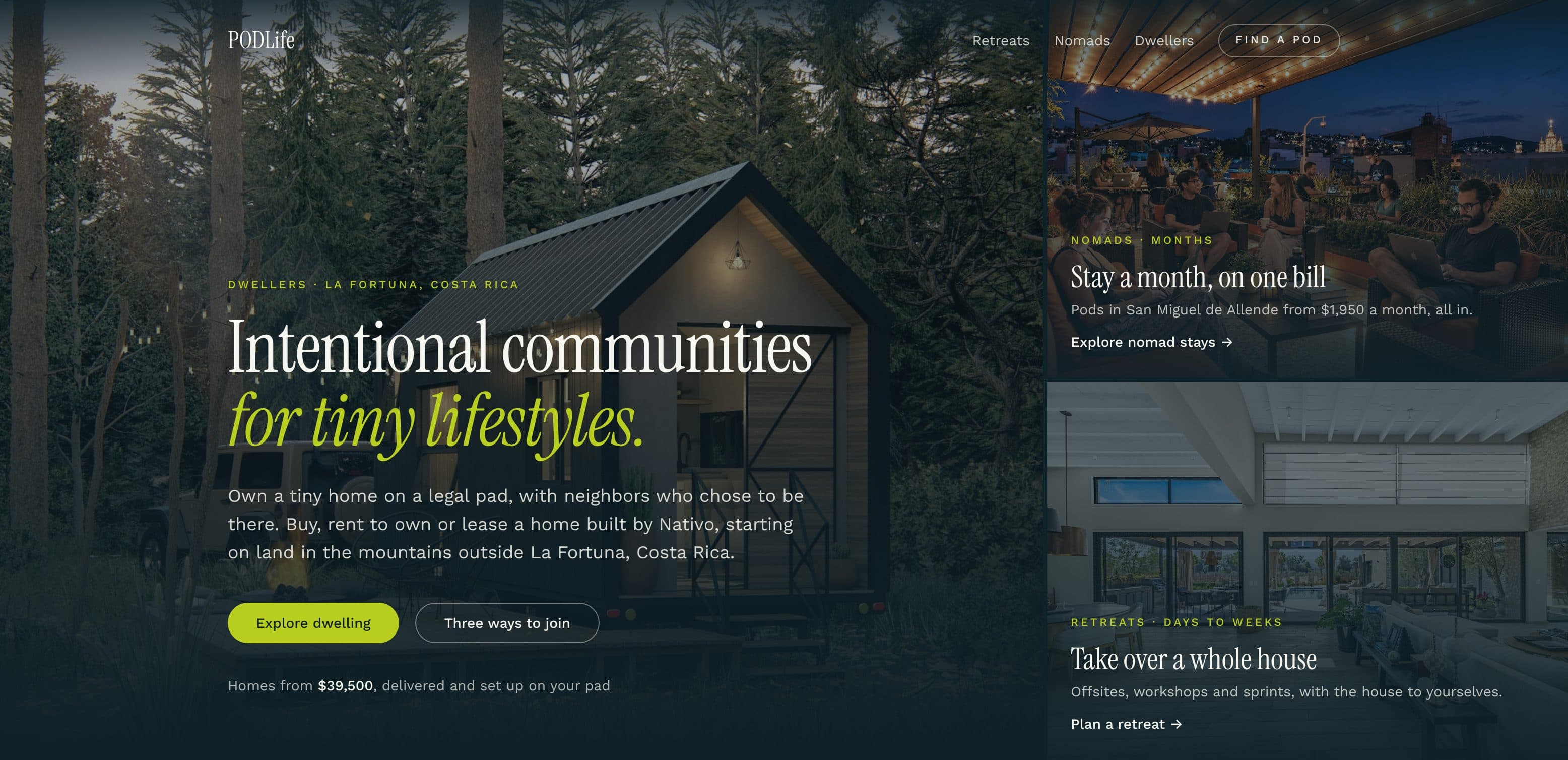
Intentional communities for people who work remotely. PODLife offers three ways in, by how long you stay: a team retreat that takes over a whole house, a nomad stay of a month or more in a shared colonial house, and, for the long run, a tiny home of your own on a legal pad.
The problem
People who work remotely can live almost anywhere, but setting up somewhere new is still hard work. A month away means wifi that can't hold a video call, a coworking membership across town, deposits, utility accounts, a lease in another language and nobody to have dinner with. A team offsite means weeks of booking rooms, venues and meals for a dozen people. And anyone who wants to settle in a tiny home finds few places to legally put one: by the figures in the 2019 pitch, 58% of people living tiny do so illegally or in a legal grey area.
Three ways to join
PODLife answers all three with the same idea: a small house of people who chose to be there, with everything handled on one bill. What changes is how long you stay.
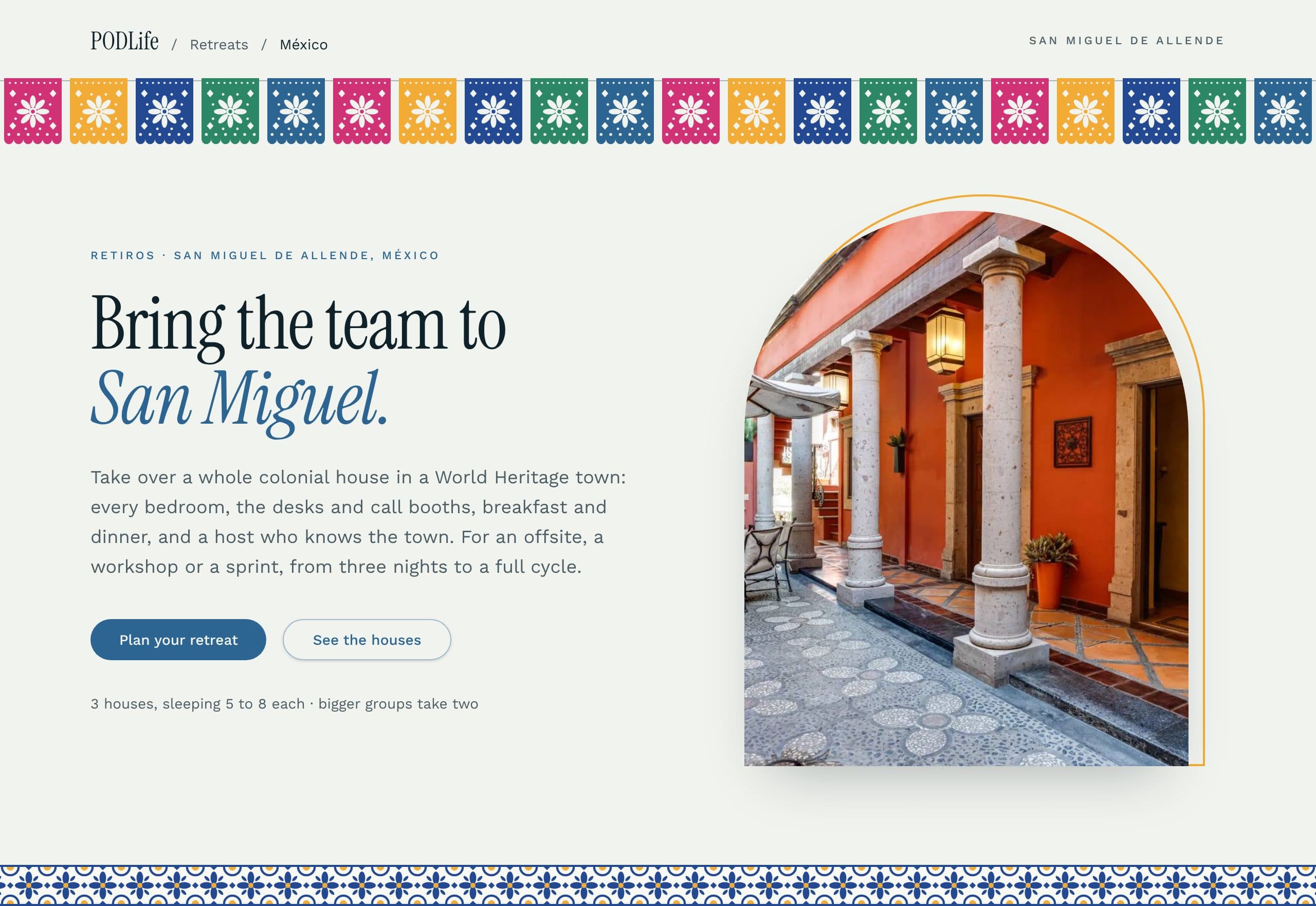
- Retreats, for days to weeks. A team takes over a whole house for an offsite, a workshop or a sprint: every bedroom, the desks and call booths, meals and airport pickup.
- Nomads, for months. The hybrid: a private room in a house of five to eight people who arrive the same week and stay in 28-night cycles, from $1,950 a month, all in.
- Dwellers, for years. A tiny home of your own on a legal pad in a PODLife community. Buy, rent to own or lease a home built by Nativo Tiny House, with PODLife handling the rest.
Retreats and nomad stays are open in San Miguel de Allende, Mexico. Dwellers come next, on rural land outside La Fortuna, Costa Rica.
One look, with a touch of each country
Every page wears PODLife's own brand, taken from the 2019 deck: pine ink, lime and steel blue. The landing page explains the idea and the three ways in, then hands off to a place. Countries don't get palettes of their own, so the brand holds from the landing page through a city to checkout. A country comes through in its details instead. Mexico's pages string papel picado across the top, lay talavera tiles between sections and frame photos in colonial arches, all in four fiesta colors (pink, marigold, cobalt and jade) that the next country can reuse with shapes of its own.
Booking a nomad stay
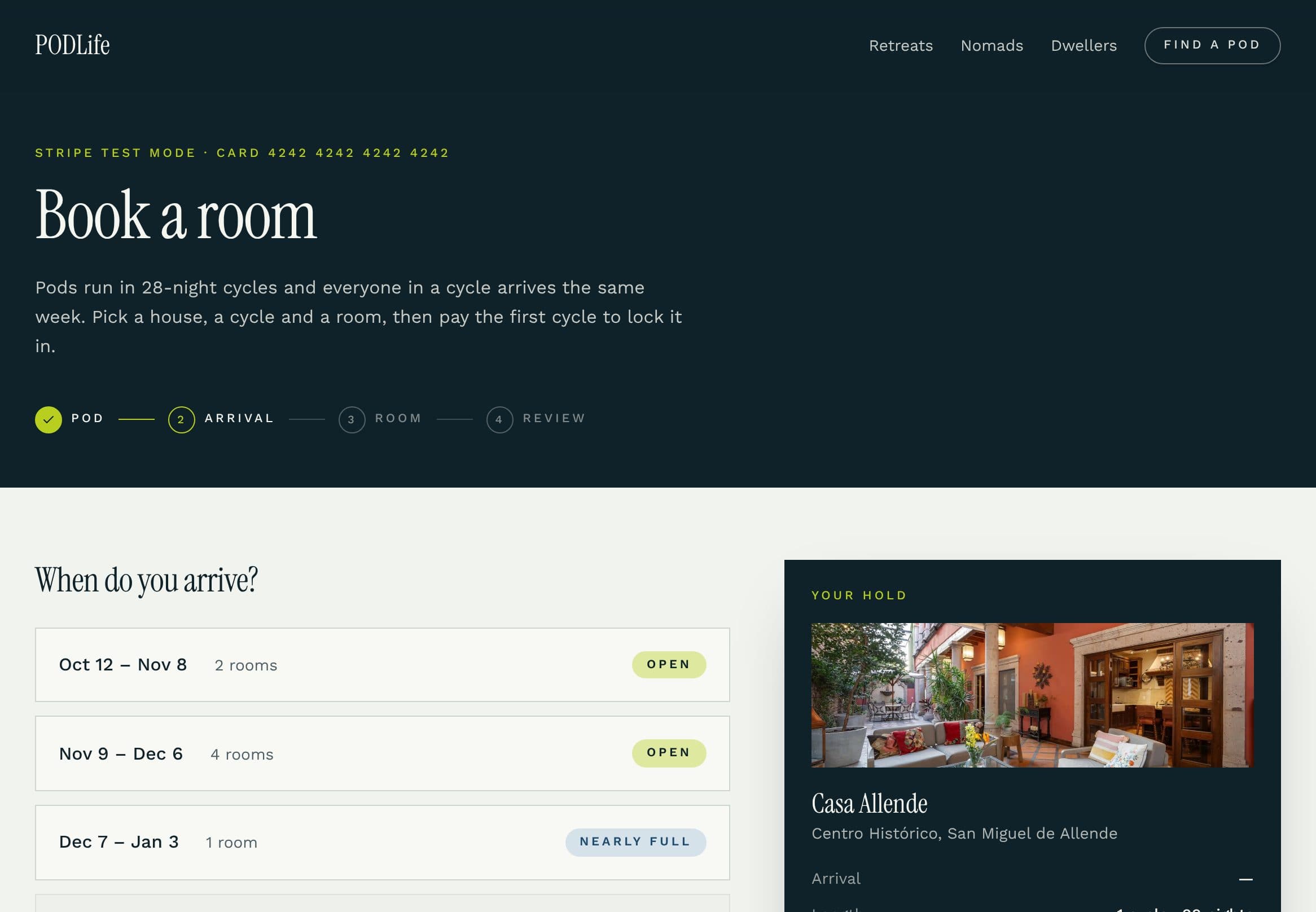
- Arrival weeks, not dates. Guests pick a house, then one of its upcoming cycles, each showing how many rooms are left and when it's nearly full. The calendar moves forward on its own, so it never offers a week that has passed.
- One price, shown up front. The summary updates as you choose, with the discount from the second cycle on and the add-on for a partner sharing the room. The server works out the final price, so it can't be changed on the way to checkout.
- Pay to confirm. The first cycle is paid through Stripe Checkout, and the room is confirmed once Stripe confirms the payment.
Planning a retreat
A whole house for a group needs a conversation about dates and numbers, so retreats are requested rather than checked out. The form asks for the team, how many are coming, what kind of retreat it is, a house (or help choosing one), a start date and a length. The server checks every answer against the same lists the form offers, a hidden field turns away bots, and each request lands on the dashboard for a host to answer.
Pricing a tiny home
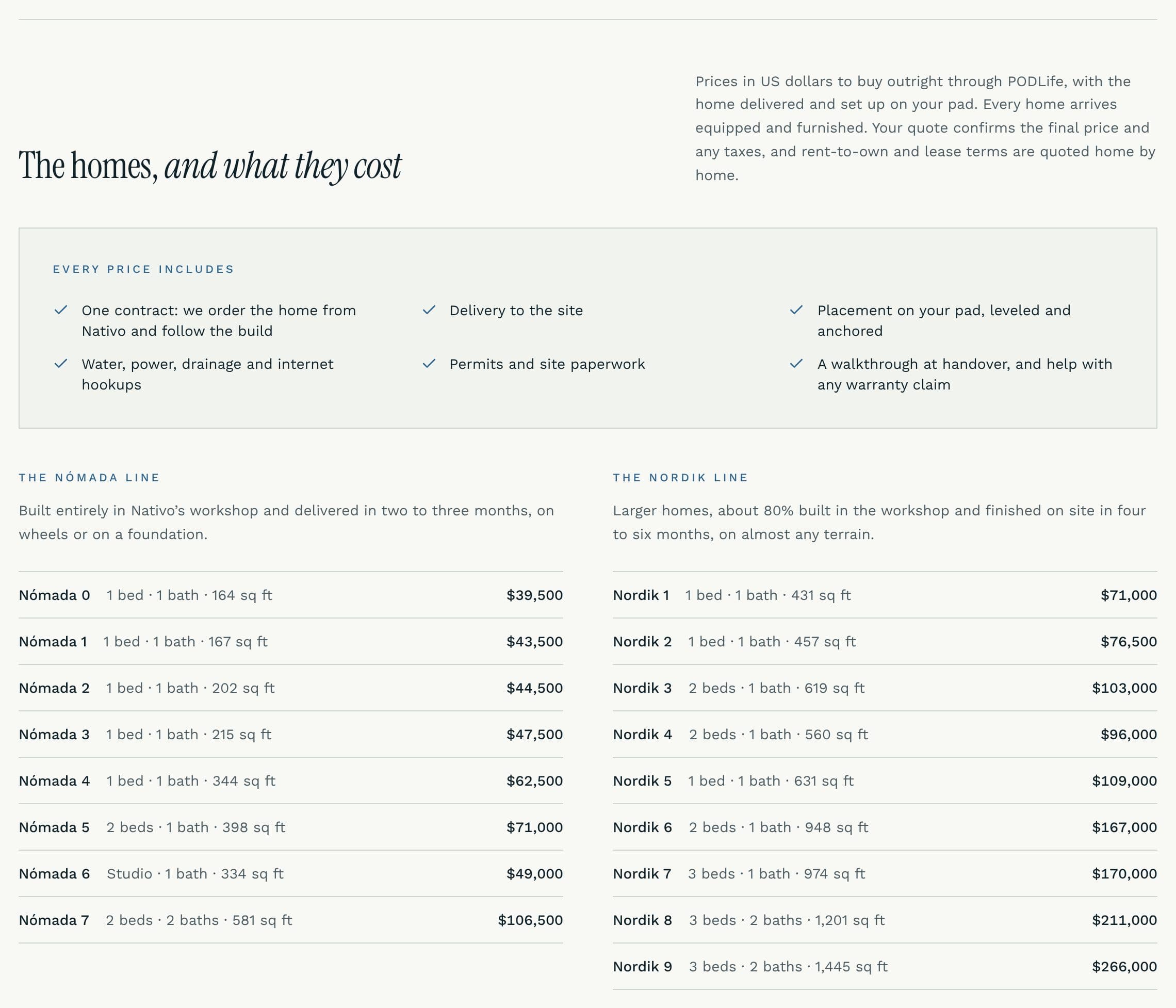
Dwellers' homes are priced from Nativo's retail list. Each one is converted from pesos to dollars, given a margin, and has a flat fee added for what PODLife takes on: one contract, delivery, placement on the pad, hookups, permits and a walkthrough at handover. The table is worked out from Nativo's list, so a new price list or exchange rate reprices every home.
Running the houses
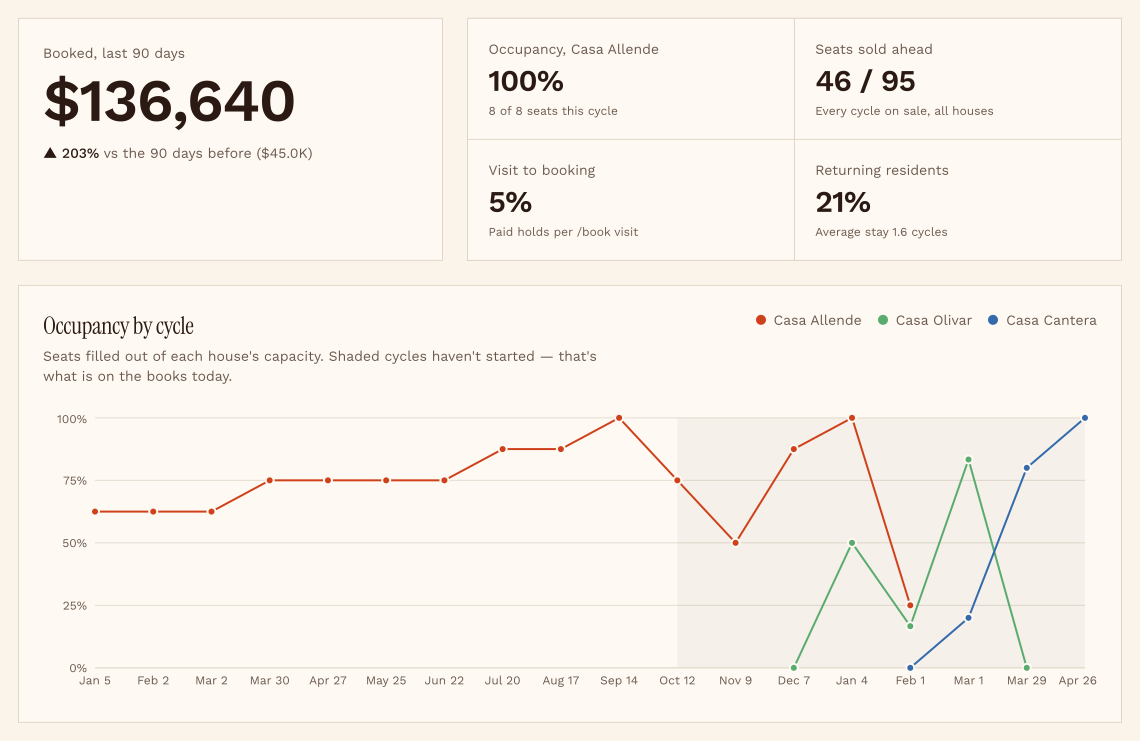
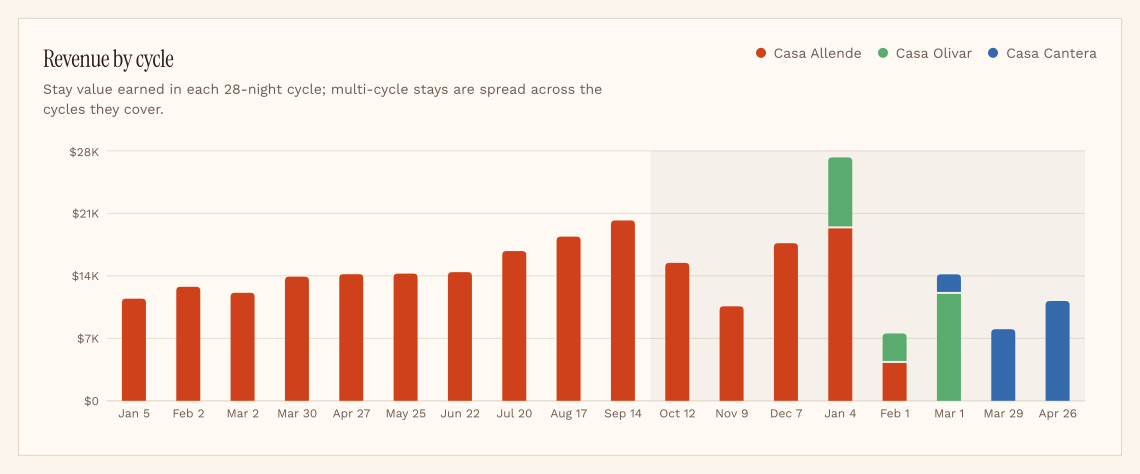
A co-living business lives or dies on occupancy, so the operations dashboard answers what an operator checks every morning:
- How full is each house this cycle, and how much is already sold ahead?
- How much does each cycle actually earn? A three-cycle stay is spread across the three cycles it covers, not counted all at once on the day it was booked.
- Where do people drop out of the booking flow?
- Which channels bring bookings, not just traffic? Referrals convert several times better than Instagram.
- Which teams have asked for a retreat, for which house and when?
Bookings, booking-page visits and retreat requests are stored in a small SQLite database, so every number on the dashboard comes from the same records the site writes.
Where it started
PODLife began in 2019 as a pitch for tiny-house communities: land near a city where people could park a tiny home, work remotely and live with neighbors who chose to be there. The demo opened with what's quickest to start, restored colonial houses rented by the month, and the Dweller pages bring the tiny homes back. The idea is the same: fewer bills, less to organize and people to arrive with.
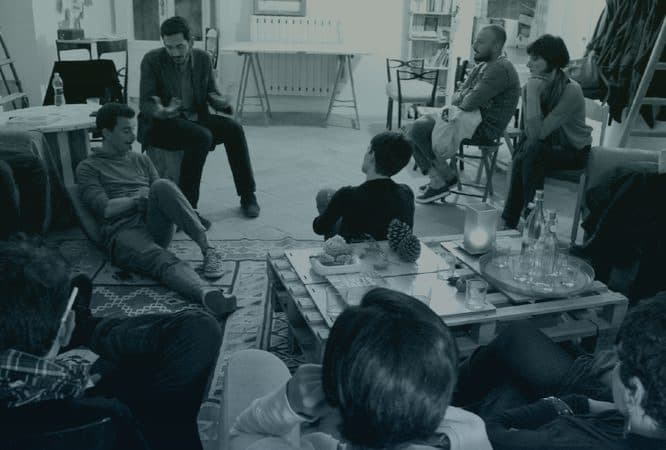
Intentional communities for tiny lifestyles
Tiny-house villages near the city, built for people who work remotely and want neighbors who chose to be there.
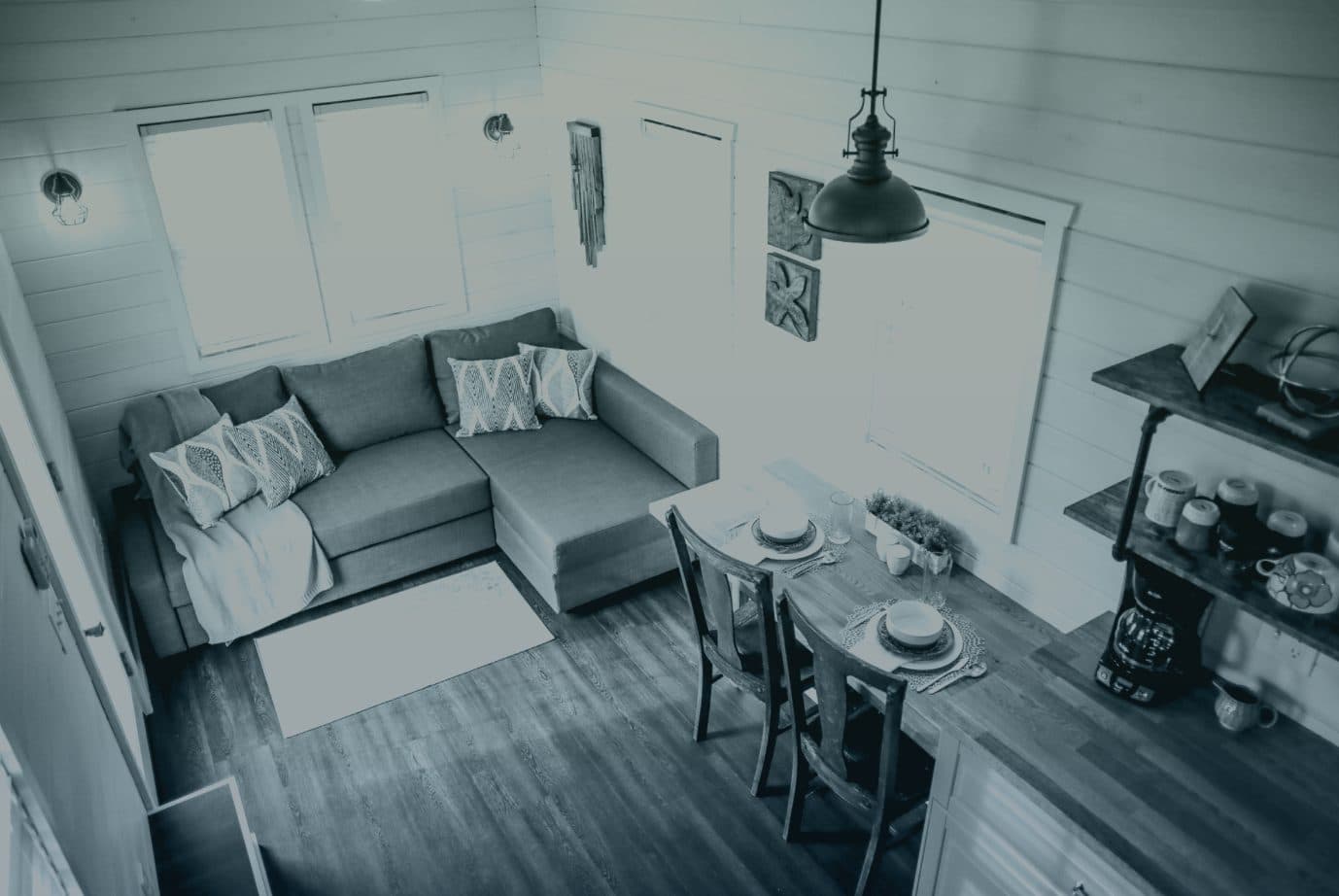
A high-tech tiny community, curated for you
Save money
Low-cost living close to the urban areas people actually want to be near.
Save time
The amenities you want and everything you need, already on site.
Belong
Permaculture, shared meals and real neighbors, with fewer distractions.
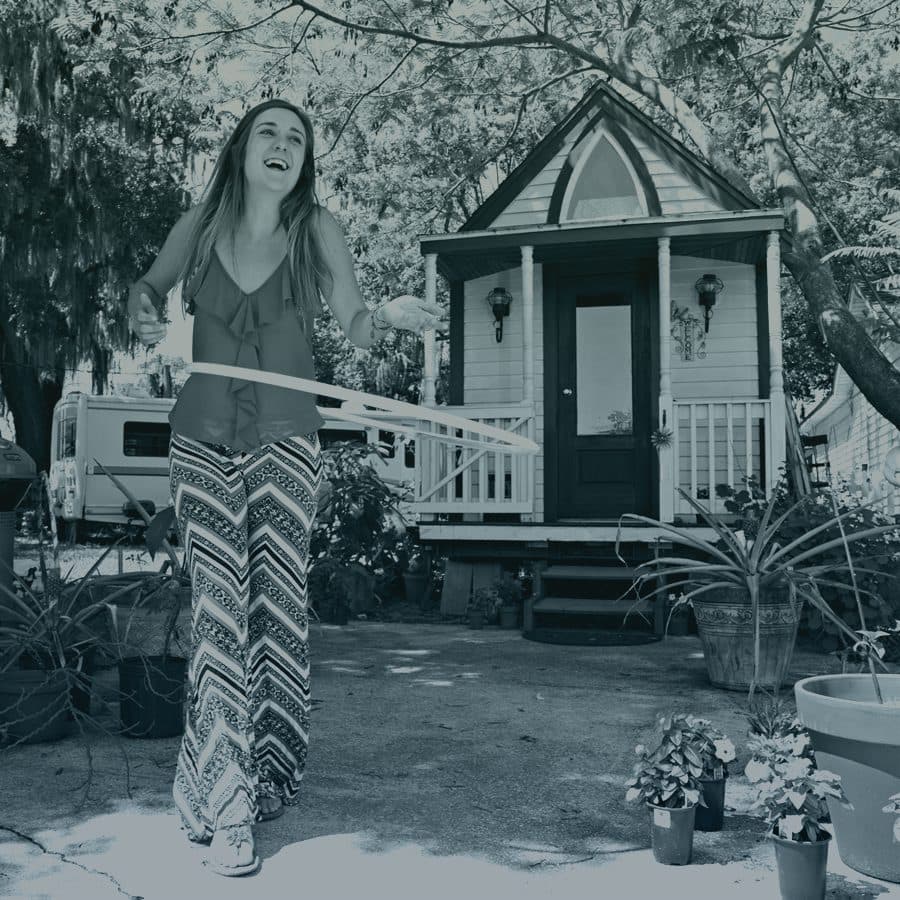
Three ways to join a PODLife community
Nomad
Stay a while, work remotely, move on. For digital nomads and citizens of the world.
Dweller
Park your own tiny house on a legal site and become a steward of the land.
Retreat
Book the community for company offsites, workshops and startup sprints.
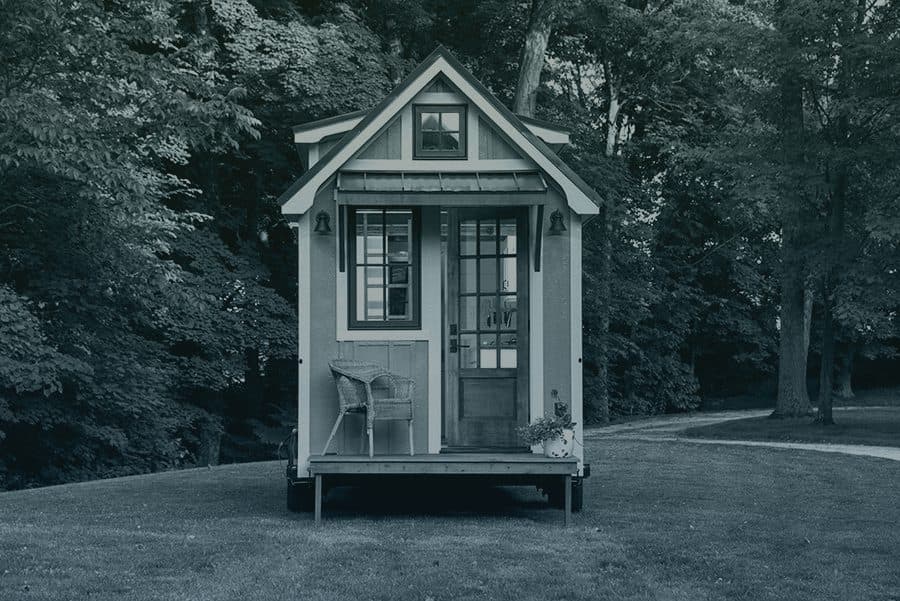
Smaller house, bigger life
- Mobility
- Smaller carbon footprint
- Lower taxes
- Less maintenance
- No mortgage, little or no debt
- Self-sufficiency
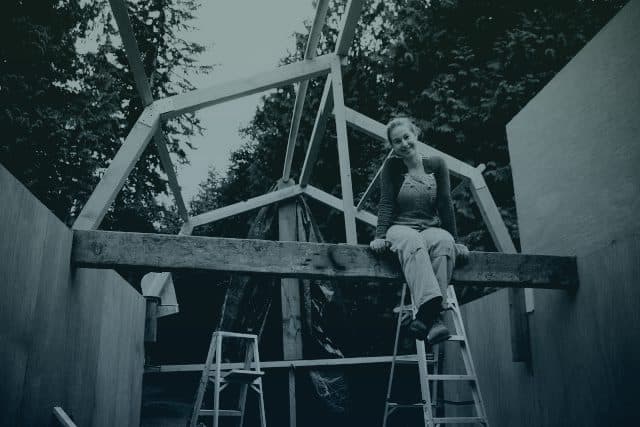
Let's build the first pod
- hello@northbridgeanalyticsfl.com
- Web
- northbridgeanalyticsfl.com